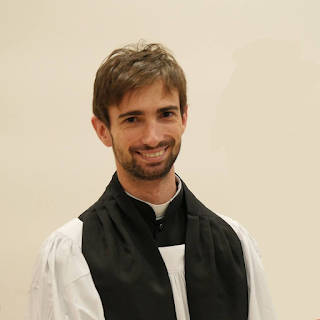
Il Rev. Dr. Luca Vona
Un evangelico nel Deserto

Ministro della Christian Universalist Association

domenica 20 febbraio 2022

Persevere through the winter


COMMENTARY ON THE LITURGY OF THE SUNDAY OF SESSAGESIMA
OR SECOND SUNDAY BEFORE LENT

Antiphon (Introit)

Exurge, quare obdormis Domine? Exurge, et ne repellas in finem: quare faciem tuam avertis, oblivisceris tribulationem nostram? Adhaesit in terra venter noster: exurge, Domine, adjuva nos, et libera nos.

Get up, why do you sleep, Lord? Wake up and do not reject us forever, why do you turn your face and do not care about our tribulation? We are prostrate in the dust, arise, O Lord, come to our aid and deliver us.


Collect

O Lord God, who seest that we put not our trust in any thing that we do; Mercifully grant that by thy power we may be defended against all adversity; through Jesus Christ our Lord. Amen.

Readings

2 Cor 11:19-31; Lc 8:4-15

Comment

The seed of the Scriptures remains fruitless if it is not sown in our heart, and the latter remains sterile if it does not receive the Word that gives life. God speaks by addressing man, and human existence finds full meaning in the fruitful listening to the word of God.

The parable of the sower teaches us that successful sowing depends on the nature and consistency of the soil. If we do not believe, our listening remains purely at the ear level. The seed of the Word does not generate salvation if it does not meet our faith. As the seed that falls along the road is trampled on, he who listens absently to the word of God despises it. As the seed that falls on stone and after sprouting withers, so those whose faith is weak succumb to the seductions and disapproval of the world.

While in the version of the parable reported by Matthew and Mark the seed produces more or less abundant crops, here it yields "a hundred times more" by virtue of perseverance. This term (Gr. Hypomonè) never appears in the other Gospels, while it is frequent in Paul's letters and indicates the ability to resist, courage and patience, especially in trials.

The Lord is not satisfied with an abundant harvest, he wants us to give our best, and this is possible only if we remain in Christ and he in us (Jn 15:4). We must not be afraid if we do not see immediate fruit in our path of spiritual growth. A seed that germinates prematurely has not been sown in good soil and is being cut down by the inclement weather of winter. But the Word that penetrates into the depths of our being - those depths that remain obscure to our own conscience - fertilizing them and being slowly assimilated, bears fruit in the right season, in the spring of grace.

"For God did not appoint us to suffer wrath but to receive salvation through our Lord Jesus Christ. He died for us so that, whether we are awake or asleep, we may live together with him." (1 Thess 5:9-10). What must we do, then, for the Word sown in us to make the hundredfold? Listening with a humble heart, like a soft and well-tilled earth. Listening and guarding, like Mary who "treasured up all these things and pondered them in her heart." (Lk 2:19).

In the long days of rain, wind, cold, which separate the sowing from the harvest, we do not lose hope, aware that "neither the one who plants nor the one who waters is anything, but only God, who makes things grow" (1 Cor 3:7).

- Rev. Dr. Luca Vona


Perseverare lungo l'inverno

COMMENTO ALLA LITURGIA DELLA DOMENICA DI SESSAGESIMA 
O SECONDA DOMENICA PRIMA DELLA QUARESIMA

Colletta

Signore Dio, che vedi che non poniamo alcuna fiducia nelle nostre opere, concedici misericordioso che per la tua potenza possiamo essere difesi in ogni avversità. Per Gesù Cristo nostro Signore. Amen.

Letture

2 Cor 11,19-31; Lc 8,4-15

Commento

Il seme delle Scritture resta infruttuoso se non viene seminato nel nostro cuore, e questi rimane sterile se non riceve il Verbo che dà la vita. Dio parla rivolgendosi all'uomo, e l'esistenza umana trova pienezza di senso nell'ascolto fruttuoso della parola di Dio. 

La parabola del seminatore ci insegna che il successo della semina dipende dalla natura e dalla consistenza del suolo. Se non crediamo, il nostro ascolto rimane a livello puramente auricolare. Il seme della Parola non genera salvezza se non incontra la nostra fede. Come il seme che cade lungo la strada viene calpestato, chi ascolta distrattamente la parola di Dio la disprezza. Come il seme che cade sulla pietra e dopo essere germogliato dissecca, così coloro la cui fede è debole soccombono di fronte alle seduzioni e alla disaprovazione del mondo. 

Mentre nella versione della parabola riportata da Matteo e Marco il seme produce messi più o meno abbondanti, qui rende "cento volte tanto" in virtù della perseveranza. Questo termine (gr. hypomonè) non compare mai negli altri Vangeli, mentre è frequente nelle lettere di Paolo e indica la capacità di resistere, il coraggio e la pazienza, soprattutto nelle prove. 

Il Signore non si accontenta di una messe abbondante, vuole che diamo il massimo; e ciò è possibile solo se noi rimaniamo in Cristo e lui in noi (Gv 15,4). Non dobbiamo temere se non vediamo frutti immediati nel nostro percorso di crescita spirituale. Un seme che germoglia anzitempo non è stato seminato in un terreno buono e viene abbattuto dalle intemperie dell'inverno. Ma la Parola che penetra nelle profondità del nostro essere - quelle profondità che restano oscure alla nostra stessa coscienza - fecondandole e venendo assimilata lentamente, porta frutto nella stagione giusta, nella primavera della grazia. 

"Poiché Dio non ci ha destinati alla sua collera ma all'acquisto della salvezza per mezzo del Signor nostro Gesù Cristo, il quale è morto per noi, perché, sia che vegliamo sia che dormiamo, viviamo insieme con lui" (1 Ts 5,9-10). Cosa dobbiamo fare, dunque, affinché la Parola seminata in noi renda il centuplo? Ascoltare con un cuore umile, come terra morbida e ben dissodata. Ascoltare e custodire, come Maria che "serbava tutte queste cose meditandole nel suo cuore" (Lc 2,19). 

Nei lunghi giorni di pioggia, vento, freddo, che separano la semina dal raccolto, non perdiamo la speranza, consapevoli che "né chi pianta, né chi irriga è qualche cosa, ma Dio che fa crescere" (1 Cor 3,7).

- Rev. Dr. Luca Vona

venerdì 18 febbraio 2022

Fermati 1 minuto. Give up on yourself to find God

Reading

Luke 9:22-25

22 And he said, “The Son of Man must suffer many things and be rejected by the elders, the chief priests and the teachers of the law, and he must be killed and on the third day be raised to life.”
23 Then he said to them all: “Whoever wants to be my disciple must deny themselves and take up their cross daily and follow me. 24 For whoever wants to save their life will lose it, but whoever loses their life for me will save it. 25 What good is it for someone to gain the whole world, and yet lose or forfeit their very self?

Meditation

In that "must" (v. 22) with which Jesus refers to his passion contains God's plan of salvation for humanity, which will take place with his death and resurrection. Jesus addresses "whoever" (v. 23), with a universal invitation to follow him, denying oneself, to find one's life in God.

The evangelical paradox is precisely this: to the extent that we give ourselves, our existence is enriched with meaning. Every day (v. 23) in which we die to ourselves to make room for the Spirit who renews us and makes us instruments of grace is a day that has passed well.

If we are not all called to bear witness to Christ to the point of martyrdom, certainly no one can be his disciple without obeying his commandments, placing himself at the service of his neighbor, and bearing witness to his name at the opportune and inopportune time (2 Tim 4:2). Only in this way will we be able to say with Jesus "The reason my Father loves me is that I lay down my life—only to take it up again." (Jn 10:17).

The world goes in the complete opposite direction: it pushes us to a bulimic desire for appropriation and prevarication that never satiates our deepest needs. But Jesus does not put us on the cross against our will, he appeals to our freedom.

The final goal of the following of Christ is the resurrection; the cross then becomes no more an instrument of torture, but the way of access to a transfigured humanity, which has regained its image and likeness to God.

Prayer

Give us, o Lord, the courage to generously place ourselves at your service and that of our neighbor; so that by renouncing ourselves we can find you, who are the author of all good. Amen.

- Rev. Dr. Luca Vona


Fermati 1 minuto. Rinunciare a sé per trovare Dio

Lettura

Luca 9,22-25

22 «Il Figlio dell'uomo, disse, deve soffrire molto, essere riprovato dagli anziani, dai sommi sacerdoti e dagli scribi, esser messo a morte e risorgere il terzo giorno».
23 Poi, a tutti, diceva: «Se qualcuno vuol venire dietro a me, rinneghi se stesso, prenda la sua croce ogni giorno e mi segua.
24 Chi vorrà salvare la propria vita, la perderà, ma chi perderà la propria vita per me, la salverà. 25 Che giova all'uomo guadagnare il mondo intero, se poi si perde o rovina se stesso?

Commento

In quel "deve" (v. 22) con cui Gesù si riferisce alla sua passione è racchiuso il piano di salvezza di Dio per l'umanità che si attuerà con la sua morte e risurrezione. Gesù si rivolge "a tutti" (v. 23), con un invito universale a seguirlo, rinnegando se stessi, per trovare la propria vita in Dio. 

Il paradosso evangelico è proprio questo: nella misura in cui ci doniamo, la nostra esistenza si arricchisce di senso. Ogni giorno (v. 23) in cui moriamo a noi stessi per fare spazio allo Spirito che ci rinnova e ci rende strumenti della grazia è un giorno trascorso bene. 

Se non tutti siamo chiamati a testimoniare Cristo fino al martirio certamente nessuno può essere suo discepolo senza obbedire ai suoi comandamenti, mettersi al servizio del prossimo e testimoniare il suo nome al momento opportuno e inopportuno (2 Tim 4,2). Solo così potremo dire con Gesù "Per questo mi ama il Padre; perché io depongo la mia vita per riprenderla poi" (Gv 10,17). 

Il mondo va in direzione completamente opposta: ci spinge a un desiderio bulimico di appropriazione e prevericazione che non sazia mai i nostri bisogni più profondi. Ma Gesù non ci mette in croce contro la nostra volontà, fa appello alla nostra libertà: "Se qualcuno vuol venire dietro a me..." (v. 23) 

La meta finale è la risurrezione; la croce diventa allora da strumento di supplizio via di accesso a un'umanità trasfigurata, che ha riconquistato l'immagine e somiglianza con Dio.

Preghiera

Donaci, Signore, il coraggio di metterci generosamente al servizio tuo e del nostro prossimo; affinché rinunciando a noi stessi possiamo trovare te, che sei l'autore di ogni bene. Amen.

- Rev. Dr. Luca Vona

giovedì 17 febbraio 2022

1 Minute Gospel. The truth, beyond the chatter of the people

Reading

Mark 8:27-33

27 Jesus and his disciples went on to the villages around Caesarea Philippi. On the way he asked them, “Who do people say I am?”
28 They replied, “Some say John the Baptist; others say Elijah; and still others, one of the prophets.”
29 “But what about you?” he asked. “Who do you say I am?”
Peter answered, “You are the Messiah.”
30 Jesus warned them not to tell anyone about him.
31 He then began to teach them that the Son of Man must suffer many things and be rejected by the elders, the chief priests and the teachers of the law, and that he must be killed and after three days rise again. 32 He spoke plainly about this, and Peter took him aside and began to rebuke him.
33 But when Jesus turned and looked at his disciples, he rebuked Peter. “Get behind me, Satan!” he said. “You do not have in mind the concerns of God, but merely human concerns.”

Meditation

The "confession of Peter" represents in Mark the turning point of the public ministry of Jesus. People consider him a prophet or the revived Baptist; the disciples, on the other hand, consider him the Christ, but this identity must not be revealed to avoid confusion with the erroneous conceptions of that time, concerning the nature of the messianic ministry.

As emerges from other passages of the New Testament, Peter is the spokesman for the Twelve (v. 29). The Greek word christos is the equivalent of the Hebrew "messiah", the "consecrated" by God, the savior of humanity.

Jesus introduces the Twelve to the reality of Christ's suffering messianism (v. 31), in contrast with the traditional triumphalistic image in Judaism and with Israel's expectation of the time of a liberator from the Roman yoke.

The "elders" (v. 31) who will reproach Jesus are the members of the Sanhedrin, which was made up of 71 elders, high priests, and scribes, headed by the high priest. The three days preceding the resurrection of Christ recall a prophetic interpretation of the three days of Jonah in the belly of the whale (Joh 1:17; 2:10) and the words of Hosea: "Come, let us return to the Lord.
He has torn us to pieces but he will heal us; he has injured us but he will bind up our wounds. After two days he will revive us; on the third day he will restore us, that we may live in his presence."(Hos 6: 1-2).

Peter does not resign himself to accepting the path of the cross undertaken by Jesus and is compared by him to a tempter, who does not want to choose the divine way, on which the true disciple must take, but the human one. Satan is synonymous with the devil in the New Testament and is called by this appellation 35 times. The Hebrew etymology of him means "accuser", "adversary", "slanderer". The prospect of glory without cross had been offered by him to Jesus during the temptations in the wilderness.

The person of Jesus challenges every man of yesterday, today, and tomorrow. Who do we say he is? An important, good, charismatic man? Or is there something more in him? The answer we will give will help us to discover not only his identity but also our identity and the direction to give to our life, present and future.

The truth lies far from the gossip of the people. The same Scriptures, tradition, and reason give us back an image of God, but without the personal experience of the encounter with him, our life will not be able to be inspired by the newness of the Gospel, conforming ourselves to the icon of his Son, in which inhabits all the fullness of divinity (Col 2,9).

Prayer

Help us to recognize you, Lord, not only in your image of glory but also in the face of every suffering man; so that we can walk behind you and find life by giving life. Amen.

- Rev. Dr. Luca Vona


Fermati 1 minuto. La verità, lontano dalle chiacchiere della gente

Lettura

Marco 8,27-33

27 Poi Gesù partì con i suoi discepoli verso i villaggi intorno a Cesarèa di Filippo; e per via interrogava i suoi discepoli dicendo: «Chi dice la gente che io sia?». 28 Ed essi gli risposero: «Giovanni il Battista, altri poi Elia e altri uno dei profeti». 29 Ma egli replicò: «E voi chi dite che io sia?». Pietro gli rispose: «Tu sei il Cristo». 30 E impose loro severamente di non parlare di lui a nessuno.
31 E cominciò a insegnar loro che il Figlio dell'uomo doveva molto soffrire, ed essere riprovato dagli anziani, dai sommi sacerdoti e dagli scribi, poi venire ucciso e, dopo tre giorni, risuscitare. 32 Gesù faceva questo discorso apertamente. Allora Pietro lo prese in disparte, e si mise a rimproverarlo. 33 Ma egli, voltatosi e guardando i discepoli, rimproverò Pietro e gli disse: «Lungi da me, satana! Perché tu non pensi secondo Dio, ma secondo gli uomini».

Commento

La "confessione di Pietro" rappresenta in Marco l'episodio di svolta del ministero pubblico di Gesù. La gente lo considera un profeta o il Battista redivivo; i discepoli, invece, il Cristo, ma questa identità non deve essere rivelata per evitare confusione con le erronee concezioni del tempo riguardanti la natura del ministero messianico.

Come emerge da altri passi del Nuovo testamento, Pietro si fa portavoce dei Dodici (v. 29). La parola greca christos è l'equivalente dell'ebraico "messia", il "consacrato" da Dio, salvatore dell'umanità.

Gesù introduce i Dodici alla realtà del messianismo sofferente del Cristo (v. 31), in contrasto con l'immagine trionfalistica tradizionale nell'ebraismo e con l'attesa dell'Israele del tempo di un liberatore dal giogo romano.

Gli "anziani" (v. 31) che riproveranno Gesù sono i membri del Sinedrio, che era composto da 71 tra anziani, sommi sacerdoti e scribi, con a capo il sommo sacerdote. I tre giorni che precedono la risurrezione di Cristo richiamano una interpretazione profetica dei tre giorni di Giona nel ventre della balena (Gio 1,17; 2,10) e le parole di Osea: «Venite, ritorniamo al Signore: egli ci ha straziato ed egli ci guarirà. Egli ci ha percosso ed egli ci fascerà. Dopo due giorni ci ridarà la vita e il terzo ci farà rialzare e noi vivremo alla sua presenza» (Os 6,1-2).

Pietro non si rassegna ad accettare il cammino della croce intrapreso da Gesù, e viene da questi paragonato a un tentatore, che non vuole scegliere la via divina, sulla quale deve mettersi il vero discepolo, ma quella umana. Satana è nel Nuovo Testamento sinonimo di diavolo, ed è chiamato con questo appellativo 35 volte. La sua etimologia ebraica significa "accusatore", "avversario", "calunniatore". La prospettiva di una gloria senza croce era stata da lui offertà a Gesù durante le tentazioni nel deserto.

La persona di Gesù interpella ogni uomo di ieri, di oggi e di domani. Chi diciamo che egli sia? Un personaggio importante, buono, carismatico? Oppure c'è qualcosa di più in lui? La risposta che daremo ci aiuterà a scoprire non solo la sua, ma anche la nostra identità e la direzione da dare alla nostra vita, presente e futura.

La verità si trova lontano dalle chiacchiere della gente. Le Scritture, la tradizione e la ragione ci restituiscono un'immagine di Dio, ma senza l'esperienza personale dell'incontro con lui la nostra vita non potrà lasciarsi ispirare dalla novità del vangelo, conformandosi all'icona del Figlio, in cui abita tutta la pienezza della divinità (Col 2,9).

Preghiera

Aiutaci a riconoscerti, Signore, non solo nella tua immagine di gloria, ma anche nel volto di ogni uomo sofferente; affinché possiamo incamminarci dietro di te e trovare la vita donando la vita. Amen.

- Rev. Dr. Luca Vona