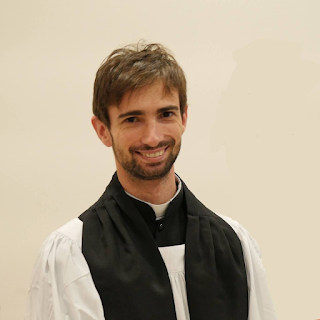
Il Rev. Dr. Luca Vona
Un evangelico nel Deserto

Ministro della Christian Universalist Association

martedì 22 marzo 2022

1 Minute Gospel. The joy of being saved

Reading

Matthew 18:21-35

21 Then Peter came to Jesus and asked, “Lord, how many times shall I forgive my brother or sister who sins against me? Up to seven times?”
22 Jesus answered, “I tell you, not seven times, but seventy-seven times.
23 “Therefore, the kingdom of heaven is like a king who wanted to settle accounts with his servants. 24 As he began the settlement, a man who owed him ten thousand bags of gold was brought to him. 25 Since he was not able to pay, the master ordered that he and his wife and his children and all that he had be sold to repay the debt.
26 “At this the servant fell on his knees before him. ‘Be patient with me,’ he begged, ‘and I will pay back everything.’ 27 The servant’s master took pity on him, canceled the debt and let him go.
28 “But when that servant went out, he found one of his fellow servants who owed him a hundred silver coins. He grabbed him and began to choke him. ‘Pay back what you owe me!’ he demanded.
29 “His fellow servant fell to his knees and begged him, ‘Be patient with me, and I will pay it back.’
30 “But he refused. Instead, he went off and had the man thrown into prison until he could pay the debt. 31 When the other servants saw what had happened, they were outraged and went and told their master everything that had happened.
32 “Then the master called the servant in. ‘You wicked servant,’ he said, ‘I canceled all that debt of yours because you begged me to. 33 Shouldn’t you have had mercy on your fellow servant just as I had on you?’ 34 In anger his master handed him over to the jailers to be tortured, until he should pay back all he owed.
35 “This is how my heavenly Father will treat each of you unless you forgive your brother or sister from your heart.”

Meditation

In contrast to the commandment of the Scriptures for Lamech's vengeance "If Cain is avenged seven times, then Lamech seventy-seven times" (Gen 4:24), given to contain the spread of violence, the ordinances of Jesus for his disciples provide for an unlimited availability to forgive the brother who repents of his sins. This is the meaning of the number expressed by Jesus: "seventy-seven times" (v. 22).

The parable that Jesus presents to answer Peter's question in detail shows the reason why one must always be willing to forgive. God was the first to forgive us all debt and since we do not have from our neighbor a right to compensation higher than that which God has towards us, it follows that we are called to imitate him in his infinite goodness, forgiving, in turn, all debts to who makes amends.

From the size of the patrimony administered by the servant of the parable, it is evident that he is a minister of state. The value of one talent, which could be made of gold, silver or bronze, was very high (six thousand denarii for a talent of silver and thirty times more for a talent of gold). The figure of ten thousand talents is therefore enormous. The dishonest servant, who had contracted such a debt, cannot escape the accounting required by the king, just as it is impossible for our conscience to escape the judgment of God.

According to Levitical law, a debtor who could not return the stolen goods could be sold as a slave by the creditor and so could his children. The slaves could then be freed, and therefore have their debts forgiven, in the Jubilee year, which occurred "every seven weeks of years", that is every forty-nine years. The parable relates that the king asks to sell the debtor, his wife, and his children until he has paid off his debt. The image is therefore that of an Eastern despot who implements a more rigorous law than the Jewish one.

The debtor does not contest the king's sentence, in front of his conscience he finds it right, for this reason, he throws himself on the ground begging for his mercy. The first reaction of the dishonest servant is to make a rash promise to the king, in order to save his life: "Be patient with me and I will pay back everything" (v. 26). He certainly could not have fulfilled such a promise. But the king's response exceeds all expectations and he forgives all debt to the servant, letting him go.

God is not persuaded to use mercy by our good intentions, he does not treat us according to our merits; he knows our misery and immediately offers what we need: his forgiveness. He only asks us to accept this forgiveness with gratitude. This implies in turn exercising the remission of sins towards our debtors, making ourselves an image of his mercy. But in the servant of the parable fear leaves no room for love. Moved solely by the fear of being punished, he was unable to understand the significance of grace, his heart accepted God's forgiveness with superficiality, without allowing the gospel to transform it. For this reason, once the moment of gratitude towards the king has passed, he falls back into the world and into his perspective of inflexible justice, behaving as a tormentor towards those who had to give him back a paltry sum (one hundred denarii).

If the heart of the debtor had truly opened to God's mercy, it would have poured out and the joy of being saved would have sustained a generous soul in him (Ps 51:12). The friends of the fellow, who go to report everything to the king, should make us reflect on the multitude of prayers that come to God from those who are denied mercy by their oppressors.

The conclusion of the parable shows God's righteous judgment of those who have rejected his grace. The debtor is handed over to the torturers until he has returned everything, just as he promised.

Jesus asks us to forgive from the heart, sharing the joy of grace; this can come from the awareness of having a God who is the first to forgive us, not seven times, but seventy-seven times.

Prayer

Create in us, o Lord, a pure heart; replace the heart of stone with a heart of flesh, so that we can share the joy of your forgiveness with our debtors. Amen.

- Rev. Dr. Luca Vona


Fermati 1 minuto. La gioia di essere salvati

Lettura

Matteo 18,21-35

21 Allora Pietro gli si avvicinò e gli disse: «Signore, quante volte dovrò perdonare al mio fratello, se pecca contro di me? Fino a sette volte?». 22 E Gesù gli rispose: «Non ti dico fino a sette, ma fino a settanta volte sette.
23 A proposito, il regno dei cieli è simile a un re che volle fare i conti con i suoi servi. 24 Incominciati i conti, gli fu presentato uno che gli era debitore di diecimila talenti. 25 Non avendo però costui il denaro da restituire, il padrone ordinò che fosse venduto lui con la moglie, con i figli e con quanto possedeva, e saldasse così il debito. 26 Allora quel servo, gettatosi a terra, lo supplicava: Signore, abbi pazienza con me e ti restituirò ogni cosa. 27 Impietositosi del servo, il padrone lo lasciò andare e gli condonò il debito. 28 Appena uscito, quel servo trovò un altro servo come lui che gli doveva cento denari e, afferratolo, lo soffocava e diceva: Paga quel che devi! 29 Il suo compagno, gettatosi a terra, lo supplicava dicendo: Abbi pazienza con me e ti rifonderò il debito. 30 Ma egli non volle esaudirlo, andò e lo fece gettare in carcere, fino a che non avesse pagato il debito.
31 Visto quel che accadeva, gli altri servi furono addolorati e andarono a riferire al loro padrone tutto l'accaduto. 32 Allora il padrone fece chiamare quell'uomo e gli disse: Servo malvagio, io ti ho condonato tutto il debito perché mi hai pregato. 33 Non dovevi forse anche tu aver pietà del tuo compagno, così come io ho avuto pietà di te? 34 E, sdegnato, il padrone lo diede in mano agli aguzzini, finché non gli avesse restituito tutto il dovuto. 35 Così anche il mio Padre celeste farà a ciascuno di voi, se non perdonerete di cuore al vostro fratello».

Commento

In contrapposizione con il comandamento delle Scritture per la vendetta di Lamech «Sette volte sarà vendicato Caino ma Lamech settantasette» (Gen 4,24), dato per contenere il dilagare della violenza, gli ordinamenti di Gesù per i suoi discepoli prevedono una disponibilità illimitata a perdonare il fratello che si pente dei propri peccati. Questo il senso del numero espresso da Gesù: "settana volte sette" (v. 22). 

La parabola che Gesù presenta per rispondere esaurientemente alla domanda di Pietro, mostra la ragione per cui si deve essere sempre disposti al perdono. Dio ci ha condonato per primo ogni debito e poiché noi non abbiamo dal nostro prossimo un diritto al risarcimento superiore a quello che Dio ha nei nostri confronti, ne consegue che siamo chiamati a imitarlo nella sua bontà infinita, condonando a nostra volta tutti i debiti a chi ne fa ammenda.

Dall'entità del patrimonio amministrato dal servo della parabola si comprende che egli è un  ministro di Stato. Il valore di un talento, che poteva esere d'oro, d'argento o di bronzo, era molto elevato (seimila denari per un talento d'argento e trenta volte di più per un talento d'oro). La cifra di diecimila talenti è dunque enorme. Il servitore disonesto, che aveva contratto un tale debito, non può sottrarsi al rendiconto richiesto dal re, proprio come alla nostra coscienza è impossibile sottrarsi al giudizio di Dio.

Secondo la legge levitica un debitore che non avesse potuto restituire il maltolto poteva essere venduto come schiavo dal creditore e così anche i suoi figli. Gli schiavi potevano poi essere liberati, e quindi vedere condonati i propri debiti, nell'anno del Giubileo, che avveniva "ogni sette settimane di anni", ovvero ogni quarantanove anni. La parabola riferisce che il re chiede di vendere il debitore, la moglie e i figli finché questi non abbia saldato il suo debito. L'immagine è dunque quella di un despota orientale che attua una legge più rigorosa di quella giudaica.

Il debitore non contesta la sentenza del re, di fronte alla propria coscienza la trova giusta, per questo si getta a terra supplicando la sua misericordia. La prima reazione del servo disonesto è di fare al re una promessa temeraria, pur di aver salva la vita: «abbi pazienza con me e ti restituirò ogni cosa» (v. 26). Certamente non avrebbe potuto adempiere a una promessa simile. Ma la risposta del re supera ogni aspettativa ed egli rimette al servo ogni debito, lasciandolo andare. 

Dio non si fa convincere a usare misericordia dai nostri buoni propositi, non ci tratta secondo i nostri meriti; conosce la nostra miseria e offre da subito ciò di cui abbiamo bisogno: il suo perdono. Ci chiede solo di accogliere questo perdono con riconoscenza. Questo implica esercitare a nostra volta la remissione dei peccati verso i nostri debitori, farci immagine della sua misericordia. Ma nel servo della parabola il timore non lascia spazio all'amore. Mosso unicamente dalla paura di essere punito egli non è riuscito a comprendere la portata della grazia, il suo cuore ha accolto il perdono di Dio con superficialità, senza permettere al vangelo di trasformarlo. Per questo, passato il momento di gratitudine verso il re, egli ricade nel mondo e nella sua ottica di inflessibile giustizia, comportandosi da aguzzino verso chi gli doveva restituire una somma irrisoria (cento denari).

Se il cuore del debitore si fosse davvero aperto alla misericordia Dio, questa si sarebbe riversata all'esterno e la gioia di essere salvato avrebbe sostenuto in lui un animo generoso (Sal 50,14). Gli amici del conservo, che vanno a riferire tutto al re, dovrebbero farci riflettere sulla moltitudine di preghiere che giungono a Dio da coloro che si vedono negata la misericordia dai loro oppressori.

La conclusione della parabola mostra il giusto giudizio di Dio verso coloro che hanno rifiutato la sua grazia. Il debitore è consegnato agli aguzzini finché non avrà restituito tutto, proprio come egli aveva promesso.

Gesù ci chiede di perdonare di cuore, condividendo la gioia della grazia; questa può scaturire dalla consapevolezza di avere un Dio che per primo è disposto a perdonarci, non sette volte, ma settanta volte sette.

Preghiera

Crea in noi, Signore, un cuore puro; sostituisci il cuore di pietra con un cuore di carne, affinché possiamo condividere con i nostri debitori la gioia del tuo perdono. Amen.

- Rev. Dr. Luca Vona

lunedì 21 marzo 2022

1 Minute Gospel. Trough the crowd

Reading

Luke 4:24-30

24 “Truly I tell you,” he continued, “no prophet is accepted in his hometown. 25 I assure you that there were many widows in Israel in Elijah’s time, when the sky was shut for three and a half years and there was a severe famine throughout the land. 26 Yet Elijah was not sent to any of them, but to a widow in Zarephath in the region of Sidon. 27 And there were many in Israel with leprosy in the time of Elisha the prophet, yet not one of them was cleansed—only Naaman the Syrian.”
28 All the people in the synagogue were furious when they heard this. 29 They got up, drove him out of the town, and took him to the brow of the hill on which the town was built, in order to throw him off the cliff. 30 But he walked right through the crowd and went on his way.

Meditation

Both Sarepta's widow and Namaan the Syrian were pagans, both of whom lived in a time of Israel's great infidelity. The two episodes mentioned by Jesus constitute the proclamation of his prophetic role and the biblical justification for the Christian mission to the Gentiles.

The anger of the men of the synagogue towards Jesus is due to the affirmation that God's favor towards them will fail to be directed to those who are far away. The expulsion outside the city walls to the top of the mountain is like a foreshadowing of the passion when Jesus will be crucified outside Jerusalem on Mount Golgotha. But his time has not yet come and Jesus escapes this attempted lynching.

We too, like Jesus, are called by virtue of incorporation to him in baptism, to exercise a prophetic ministry, courageously witnessing, with word and deed, to the gospel, starting from our environment of life, without the fear of experiencing the refusal.

The attitude of Jesus constitutes a model on how we must react in the face of hostility towards the announcement: to pass on as "he walked right through the crowd" (v. 30). But this page of the Gospel is also a warning so that we can not take for granted the word of God, which he addresses to us every day and which we must know how to welcome as an ever new word because it is a living word, inhabited by the Spirit.

Jesus challenges us today where we are. May he find us ready to welcome him, so that those who have never heard of him may not be more fortunate than us.

Prayer

May our heart, o Lord, be ready to welcome you, so that we may be constituted faithful prophets of your word, among those who do not know you. Amen.

- Rev. Dr. Luca Vona


Fermati 1 minuto. Passando in mezzo a loro

Lettura

Luca 4,24-30

24 Poi aggiunse: «Nessun profeta è bene accetto in patria. 25 Vi dico anche: c'erano molte vedove in Israele al tempo di Elia, quando il cielo fu chiuso per tre anni e sei mesi e ci fu una grande carestia in tutto il paese; 26 ma a nessuna di esse fu mandato Elia, se non a una vedova in Sarepta di Sidone. 27 C'erano molti lebbrosi in Israele al tempo del profeta Eliseo, ma nessuno di loro fu risanato se non Naaman, il Siro».
28 All'udire queste cose, tutti nella sinagoga furono pieni di sdegno; 29 si levarono, lo cacciarono fuori della città e lo condussero fin sul ciglio del monte sul quale la loro città era situata, per gettarlo giù dal precipizio. 30 Ma egli, passando in mezzo a loro, se ne andò.

Commento

Sia la vedova di Sarepta che Namaan il Siro erano pagani, entrambi vissuti in un periodo di grande infedeltà di Israele. I due episodi menzionati da Gesù costituiscono la proclamazione del suo ruolo profetico e la giustificazione biblica per la missione cristiana ai gentili. 

La rabbia degli uomini della sinagoga verso Gesù è dovuta all'affermazione che il favore di Dio nei loro confronti verrà meno per essere rivolto ai lontani. La cacciata fuori dalle mura della città verso la cima del monte è come una prefigurazione della passione, quando Gesù sarà crocifisso fuori Gerusalemme sul monte Gòlgota. Ma non è ancora giunta la sua ora e Gesù sfugge a questo tentativo di linciaggio.

Anche noi, come Gesù, siamo chiamati in virtù della incorporazione a lui nel battesimo, a esercitare un ministero profetico, testimoniando coraggiosamente, con la parola e con le azioni, il vangelo, a partire dal nostro ambiente di vita, senza il timore di sperimentare il rifiuto. 

L'atteggiamento di Gesù costituisce un modello su come dobbiamo reagire di fronte all'ostilità nei confronti dell'annuncio. Passare oltre: "passando in mezzo a loro se ne andò" (v. 30). Ma questa pagina del Vangelo è anche un monito affinché possiamo non dare per scontata la parola di Dio, che egli ci rivolge ogni giorno e che dobbiamo saper accogliere come parola sempre nuova, perché parola viva, abitata dallo Spirito. 

Gesù ci interpella, oggi, lì dove siamo. Possa trovarci pronti ad accoglierlo, affinché non siano più fortunati di noi quelli che non hanno mai sentito parlare di lui.

Preghiera

Il nostro cuore, Signore, sia pronto ad accoglierti, affinché possiamo essere costituiti profeti fedeli della tua parola, tra coloro che non ti conoscono. Amen.

- Rev. Dr. Luca Vona

sabato 19 marzo 2022

Blessed are those who hear the word of God and obey it

COMMENTARY ON THE LITURGY OF THE THIRD SUNDAY IN LENT

Collect

We beseech thee, Almighty God, look upon the hearty desires of thy humble servants, and stretch forth the right hand of thy Majesty, to be our defence against all our enemies; through Jesus Christ our Lord. Amen.

Readings

Ef 5:1-14; Lc 11:14-28

Comment

The mutism was a particularly wretched condition in Jewish antiquity because the one who was affected could neither raise his praises to God nor invoke him for help. The protagonist of this page of Luke's Gospel becomes the image of a radical separation from God and a state of profound solitude.

Sometimes suffering is capable of prostrating man to such an extent that even the comfort of prayer is impossible for him. Jesus demonstrates that he is capable of coming to meet us and of overcoming even these kinds of demons.

There is an ongoing battle between the Kingdom of God on the one hand and Satan and his angels on the other. It is not allowed to take positions of neutrality. Not taking sides with Christ means succumbing to the devil. Jesus is the strong man (Lk 11:22), capable of disarming the enemy and driving out demons with the finger of God.

His actions arouse wonder and a voice rises from the crowd. Faced with the woman who blesses the womb that bore him and the breasts that nourished him, Jesus relativizes family ties, placing obedience to God before blood kinship: "Blessed are those who hear the word of God and obey it" (Lk 11:28); these words sound similar to those reported by another passage in the Gospel of Luke: "My mother and brothers are those who hear God’s word and put it into practice" (Lk 8:21).

The family is a reality willed by God from the very beginning of creation, but Jesus teaches us that if our charity is not able to overcome the same family relationships it will not live up to his Gospel. God's word is the model to follow, but it is not a dead letter; he is the Son of the living God (Mt 16:16).

If Jesus were not the incarnate Word we could simply find in him a preacher, a healer, or a political revolutionary. But he can be a true model of life because he is the incarnate Word, the visible and tangible manifestation of God. His humanity is the veil through which the Absolute, by definition separated from everything, makes itself close and knowable; it is the map for our itinerary of sanctification. The Most High God, before whom Moses and Elijah had to cover their faces, reveals himself to humanity in Christ and Paul exhorts us to be his imitators.

Beyond the lists of vices and virtues reported by the Apostle, not very different from those that we can find in the Greek and Hebrew literature of the same era, the real novelty of the Christian message consists in this closeness of God to man. In Christianity, reflection on God and the experience of God are not simply centered on a book, but on the Risen One, who walks with us to the end of time (Mt 28:20).

- Rev. Dr. Luca Vona


Beati coloro che ascoltano la parola di Dio e la osservano

COMMENTO ALLA LITURGIA DELLA TERZA DOMENICA DI QUARESIMA

Colletta

Ti supplichiamo, Signore Onnipotente, di guardare al desiderio dei tuoi umili servi, e di stendere la tua destra, per difenderci da ogni nemico. Per Gesù Cristo, nostro Signore. Amen

Letture

Ef 5,1-14; Lc 11,14-28

Commento

Il mutismo costituiva nell’antichità giudaica una condizione particolarmente infelice, perché colui che ne era affetto non poteva né innalzare a Dio le sue lodi, né invocarlo per chiedere aiuto. Il protagonista di questa pagina del Vangelo di Luca diviene l’immagine di una separazione radicale da Dio e di uno stato di profonda solitudine. 

A volte la sofferenza è capace di prostrare l’uomo a tal punto da rendergli impossibile persino il conforto della preghiera. Gesù dimostra di essere capace di venirci incontro e di vincere anche questo genere di demoni. 

Vi è una battaglia in corso, tra il Regno di Dio da una parte e Satana e i suoi angeli dall’altra. Non è consentito assumere posizioni di neutralità. Non schierarsi con Cristo significa soccombere al demonio. Gesù è l’uomo forte (Lc 11,22), capace di disarmare il nemico e scacciare i demoni con il dito di Dio. 

Le sue azioni suscitano meraviglia e una voce si leva dalla folla. Di fronte alla donna che benedice il grembo che lo ha portato e i seni che lo hanno nutrito, Gesù relativizza i legami famigliari, anteponendo l'obbedienza a Dio alla parentela di sangue: "Beati coloro che ascoltano la parola di Dio e la mettono in pratica" (Lc 11,28); parole che suonano simili a quelle riportate da un altro passo del Vangelo di Luca: "Mia madre e i miei fratelli sono quelli che odono la parola di Dio e la mettono in pratica” (Lc 8,21). 

La famiglia è una realtà voluta da Dio fin dall’origine della creazione; ma Gesù ci insegna che se la nostra carità non sarà capace di superare le stesse relazioni familiari, non sarà all’altezza del suo vangelo. La parola di Dio è il modello da seguire; ma non è lettera morta; è il Figlio del Dio vivente (Mt 16,16). 

Se Gesù non fosse il Figlio di Dio, potremmo trovare in lui semplicemente un predicatore, un guaritore o un rivoluzionario politico. Ma egli può essere un vero modello di vita perché è il Verbo che si è fatto carne, la manifestazione visibile e tangibile di Dio. La sua umanità è il velo attraverso il quale l’Assoluto, per definizione separato da tutto, ci si rende prossimo e conoscibile; è la mappa per il nostro itinerario di santificazione. Il Dio altissimo, di fronte al quale Mosè ed Elia dovettero coprirsi il volto, si rivela all’umanità in Cristo e Paolo ci esorta a farci suoi imitatori. 

Al di là degli elenchi di vizi e di virtù riportati dall'Apostolo, non molto diversi da quelli che possiamo trovare nella letteratura greca ed ebraica della stessa epoca, la vera novità del messaggio cristiano consiste in questa prossimità di Dio all’uomo. Nel cristianesimo la riflessione su Dio e l’esperienza di Dio non sono incentrate semplicemente su un libro, ma sul Risorto, che cammina con noi fino alla fine dei tempi (Mt 28,20).

- Rev. Dr. Luca Vona